
April is one of the most important months for garden and ground maintenance in Harrogate.…
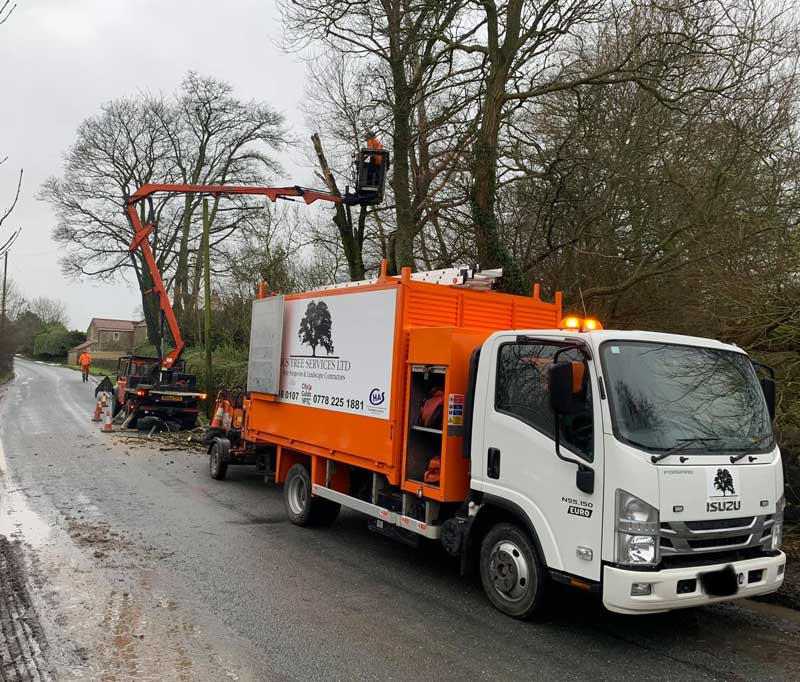
When Should You Remove a Tree
When Should You Remove a Tree. 7 Warning Signs Homeowners Ignore
Trees add value to your property. They provide shade, privacy and character. But when a tree becomes unstable or diseased, it becomes a liability.
Each year in the UK, storm damage linked to trees results in significant property damage. Most of these cases show early warning signs before failure.
Here are seven signals you should not ignore.
1. The Tree Is Leaning
A gradual lean may be natural. A sudden lean after heavy rain or wind is not. Movement at the base often indicates root plate failure.
2. Cracks in the Soil Around the Trunk
If you see lifting soil or gaps around the base, roots may be shifting. This reduces stability and increases risk during high winds.
3. Large Dead Branches
Deadwood in the upper crown can fall without warning. If branches hang over roads, footpaths or neighbouring property, liability increases.
4. Fungal Growth at the Base
Mushrooms or bracket fungi growing near the trunk often signal internal decay. The tree may look healthy externally while structural strength declines.
5. Cavities or Hollow Sections
Hollow trunks weaken the tree’s core structure. Large cavities reduce load bearing capacity and increase the chance of splitting.
6. Storm Damage
Split unions, hanging limbs and torn bark after storms require assessment. Small fractures often worsen over time.
7. Structural Damage to Property
Roots lifting paving, disturbing drains or affecting foundations create long term problems. Early intervention limits cost.
What Happens If You Ignore These Signs
Tree failure is unpredictable. A mature tree can weigh several tonnes. When large limbs fall, damage to vehicles, roofs and neighbouring buildings is common.
Emergency removal costs significantly more than planned work. Acting early protects both safety and budget.
When to Seek Professional Advice
If you notice one or more of these issues, arrange an inspection. A qualified professional can assess structural integrity, identify disease and recommend appropriate action.
Proactive management is safer and often less expensive than reactive removal.
Related Posts

Winter Tree Pruning in Leeds. Prepare Trees for Healthy Spring Growth Winter tree pruning is…
York Tree Maintenance. Why Ongoing Care Matters More Than Emergency Work Trees across York shape…