April is one of the most important months for garden and ground maintenance in Harrogate.…

Tree Removal Explained. Safety, Timing, and What Homeowners Need to Know
Tree Removal Explained. Safety, Timing, and What Homeowners Need to Know
Tree removal is often misunderstood. Many homeowners assume removal is the first option. In reality, it is usually the last. When a tree presents a clear risk, removal becomes a safety decision rather than a preference.
This article explains when tree removal is appropriate, how safety is assessed, and what homeowners need to consider before any work takes place.
When Does a Tree Need Removing
Most trees show warning signs before failure. Removal is normally considered for one or more of the reasons below.
Dead or dying trees
A dead tree no longer has structural strength. Branch failure becomes unpredictable, especially in wind.
Structural instability
Leaning trees, exposed roots, soil movement, or cracks at the base indicate failure at ground level. These trees present immediate risk.
Disease and internal decay
Fungal decay weakens timber from the inside. A tree can appear healthy while losing load bearing capacity.
Storm damage
Split stems and major limb failure after storms often leave trees unsafe to retain.
Damage to property or infrastructure
Roots affecting foundations, drainage, walls, or highways often require decisive action.
Is Tree Removal Always the Right Solution
No.
Many trees can be retained through pruning, crown reduction, or targeted management. Removal should only follow a professional assessment of risk. If the risk can be reduced to an acceptable level, retention is usually preferable.
Removal becomes appropriate when risk remains high despite management.
Safety Comes First
This is hazardous work. Poor planning increases the risk of injury and property damage.
A safe removal process includes.
Site and access assessment
Identification of hazards and nearby targets
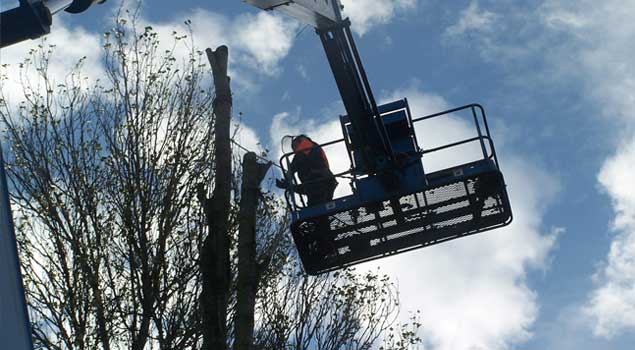
Controlled dismantling in sections
Use of rigging to manage falling timber
This approach protects people, buildings, and surrounding trees.
Legal and Planning Checks
Homeowners carry responsibility.
Tree Preservation Orders
Permission is required before removal. Breaches lead to fines.
Conservation Areas
Notice must be given before most tree work.
Wildlife protection
Nesting birds and bats are protected by law. Timing matters.
Ignoring these checks creates legal risk for the property owner.
Best Time of Year for Tree Removal
Tree removal takes place all year.
Winter offers advantages.
Reduced leaf cover improves visibility.
Ground impact is often lower.
Fewer wildlife constraints outside nesting season.
Emergency removals happen whenever safety demands it.
What Happens During Tree Removal
A professional removal follows a clear process.
Initial inspection and planning
Sectional dismantling where space is limited
Safe lowering of timber
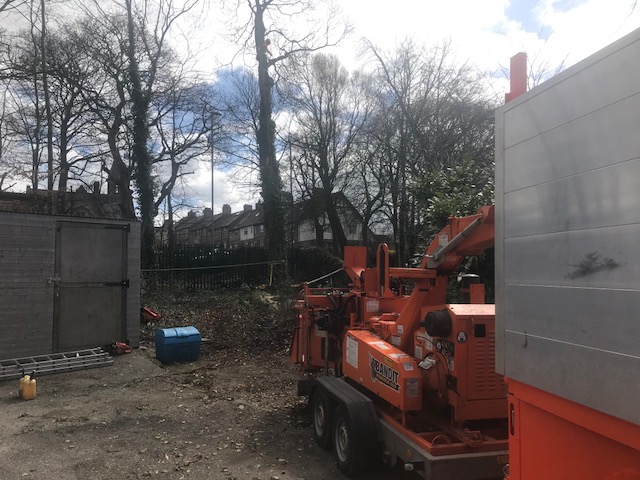
Removal of waste from site
Stump management follows. Stumps can be retained, ground out, or treated depending on future use of the area.
Key Points for Homeowners
Tree removal is a safety decision.
Early assessment prevents emergency situations.
Legal checks protect you from enforcement action.
Professional advice often avoids unnecessary removal.
If you are unsure, inspection should come before assumption.
Frequently Asked Questions
When should a tree be removed
When it presents an unacceptable safety risk or causes unavoidable damage.
Do I need permission to remove a tree
Some trees are protected. Checks are required before work begins.
Is winter the best time for tree removal
Winter often offers practical and environmental advantages.
Related Posts